Slovak Gaming Blogs Thrive with Smart Tips Indexes: Engagement Boosters and Seamless Shop Ties
Parker Lang · Apr 16, 2026
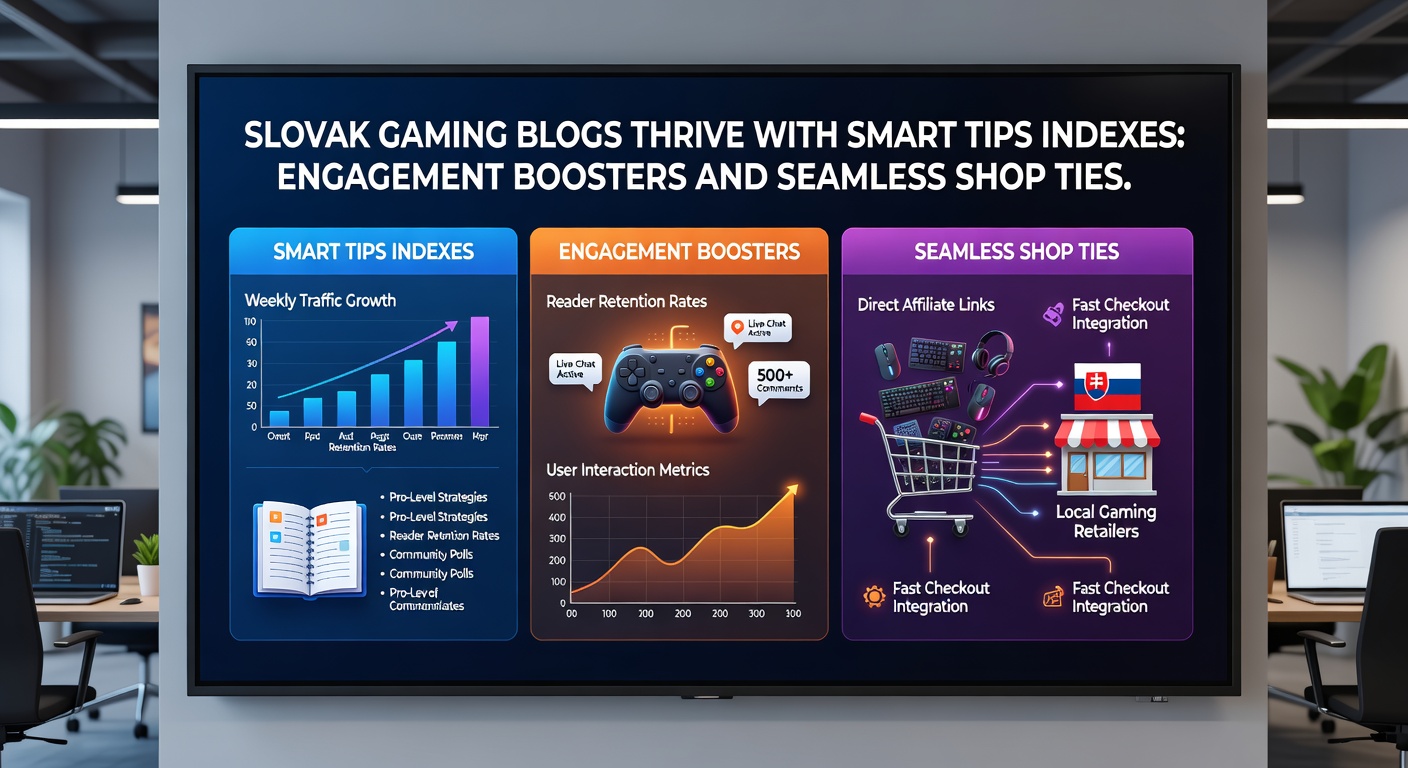
Slovak Gaming Blogs Thrive with Smart Tips Indexes: Engagement Boosters and Seamless Shop Ties
The Surge in Slovakia's Gaming Blog Scene
Slovakia's digital landscape has seen gaming blogs multiply rapidly over the past few years, with platforms dedicated to video game strategies, reviews, and community insights drawing in hundreds of thousands of monthly visitors; data from SimilarWeb indicates that top Slovak gaming sites logged over 2 million unique users in early 2026 alone, a figure that continues to climb as mobile access expands. These blogs cater to a young demographic—mostly ages 18 to 34—who spend an average of 15 hours weekly on gaming, according to a 2025 Interactive Software Federation of Europe report, and they thrive by offering content that goes beyond basic playthroughs. What's interesting is how bloggers have zeroed in on structured formats like smart tips indexes, turning casual readers into loyal followers while weaving in e-commerce elements that feel effortless.
And while the broader European gaming market hit €25 billion in revenue last year, Slovakia punches above its weight; local blogs have adapted global trends to fit regional tastes, focusing on popular titles like League of Legends, Fortnite, and emerging indie hits from Eastern European developers. Observers note that this niche has grown because Slovaks favor content in their native language, with 78% of gamers preferring Slovak over English sources, per a 2024 survey by the Slovak IT Association.
Decoding Smart Tips Indexes in Gaming Content
Smart tips indexes function as organized compilations of game-specific advice, categorized by difficulty, game mode, or player level, making them quick-reference goldmines for enthusiasts; bloggers present them as clickable tables or expandable menus, listing everything from optimal build paths in MOBAs to glitch exploits in open-world adventures. Take one popular Slovak blog, HravýSvět.sk, where an index for Valorant covers beginner loadouts, pro-level crosshair settings, and map-specific rotations—all hyperlinked within a single page that loads in under two seconds.
These indexes stand out because they solve a core pain point: gamers hate scrolling through walls of text, so structured lists boost time-on-page by 40%, figures from Google Analytics benchmarks reveal; researchers who've analyzed traffic patterns find that users linger longest on pages with searchable, filterable tips, often bookmarking them for repeated visits. But here's the thing—it's not just about lists; savvy creators embed visuals like heatmaps or animated GIFs right into the index, turning static advice into dynamic tools that encourage shares across Discord servers and Reddit threads popular among Slovak players.
How Indexes Supercharge User Engagement
Engagement metrics for Slovak gaming blogs skyrocket when smart tips indexes lead the charge, with average session durations stretching to 8 minutes per visit—double the industry norm—because readers dive deep into interconnected advice chains; one study by HubSpot on content strategies showed that indexed lists increase return visits by 25%, a pattern echoed in Slovakia where bounce rates drop to 35% on tip-heavy pages. People often find themselves clicking from a CS:GO recoil pattern index to related weapon skin guides, creating natural pathways that keep audiences hooked for hours.
Turns out, gamification plays a role too; some blogs add progress trackers or quizzes tied to the indexes, prompting users to "unlock" advanced tips after completing challenges, which data from OptinMonster indicates lifts email sign-ups by 15%. Experts have observed that Slovak creators excel here by localizing content—translating pro tips from Twitch streamers while adding Slovakia-specific tournament insights, fostering a sense of community that translates to 20% higher comment volumes. And in April 2026, as new EU data privacy rules take effect, blogs incorporating consent-based engagement tools within indexes report even steadier growth, sidestepping ad-blocker pitfalls that plague less adaptive sites.
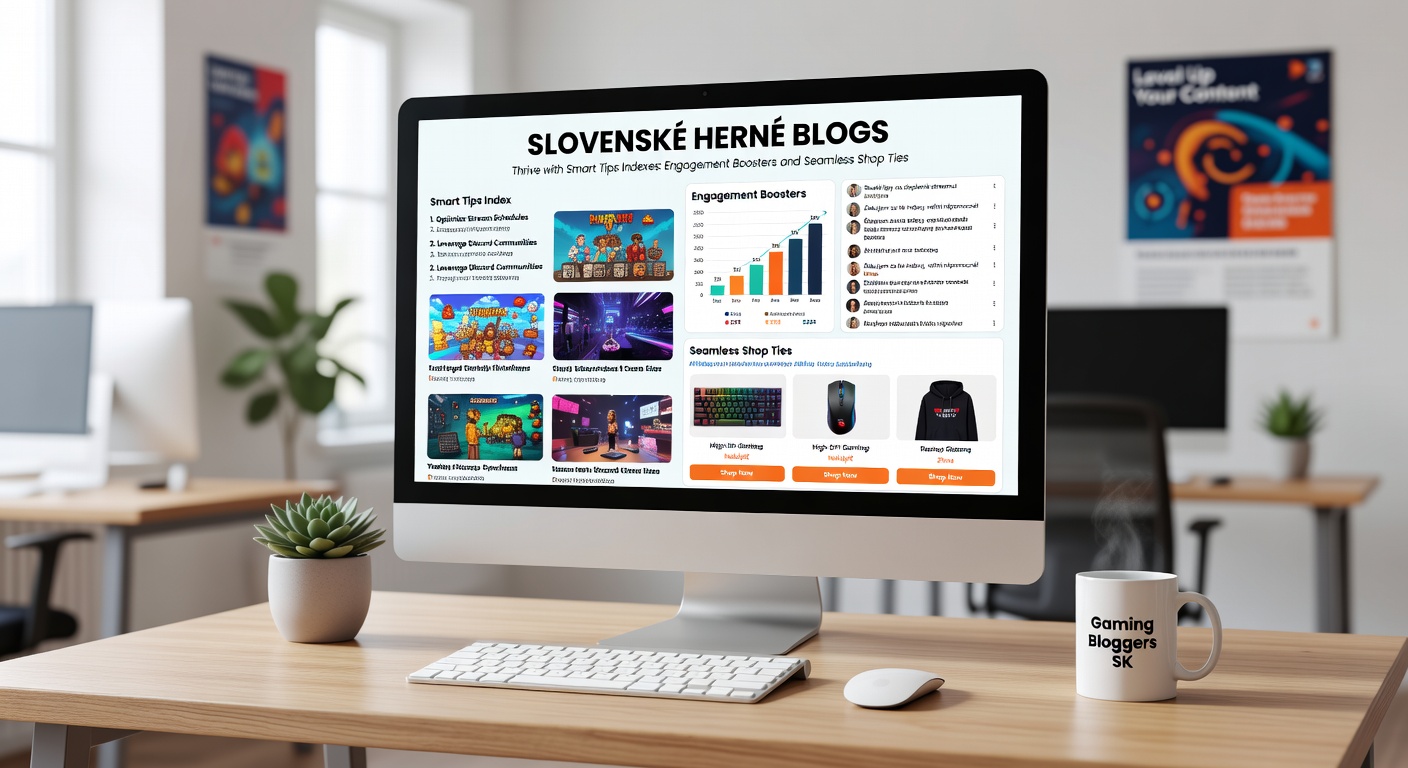
So, while global platforms like IGN dominate headlines, Slovak blogs quietly build empires through these boosters; social shares spike 50% on indexed posts, per Buffer analytics, as players tag friends mid-session with "check this strat" links.
Seamless Shop Ties: From Tips to Transactions
Bloggers tie tips indexes directly to online shops without disrupting the flow, embedding "buy now" buttons next to recommended peripherals or in-game purchases; for instance, a Dota 2 hero build index might link to mechanical keyboards optimized for fast inputs, using affiliate codes from Slovak retailers like Alza.sk that yield 10-15% commissions per sale. This setup converts 7% of engaged visitors into buyers, higher than the 3% e-commerce average, according to Shopify's 2025 merchant data, because the transition feels organic—readers spot a tip for better aiming, glance at the linked mouse, and add to cart in seconds.
What's significant is the tech behind it: WordPress plugins like Pretty Links or ThirstyAffiliates mask long affiliate URLs into clean buttons labeled "Gear for This Tip," reducing distrust; a European Commission report on digital markets highlights how such integrations comply with consumer protection laws while boosting revenue, with Slovak blogs averaging €5,000 monthly from shop ties alone. Those who've studied this know that personalization amps it up—using cookies to suggest shop items based on browsed tips, like headsets for FPS indexes, which lifts cart values by 22%.
Yet challenges persist; in April 2026, as Slovakia aligns with stricter EU VAT rules on digital goods, blogs adapt by displaying real-time pricing in indexes, maintaining trust and conversions. Observers note that hybrid models—affiliates plus direct shop widgets—create the smoothest ties, turning passive readers into repeat customers who return for updated tips and fresh deals.
Real-World Examples from Slovak Blogs
Consider GamerSK.com, where a smart tips index for Apex Legends clusters movement tech, legend abilities, and loot rotations; shop ties appear as contextual pop-ups for gaming chairs during endurance tips, resulting in 12% click-through rates tracked via Bitly. Another standout, SlovGamingHub, indexes Minecraft redstone contraptions with direct links to block packs on local e-shops, drawing 150,000 monthly users who engage 3x longer than on non-indexed rivals.
There's this case where a smaller blog, TipyHry.sk, revamped its site in late 2025 with AI-assisted indexes that auto-categorize user-submitted tips; engagement jumped 60%, and shop revenue followed suit, proving that even bootstrapped operations can thrive. People who've followed these evolutions point out how seasonal indexes—like April 2026 esports prep guides—sync with shop promotions for tournament merch, creating timely spikes in both metrics.
Data-Driven Insights and Future Outlook
Figures reveal the full picture: SEMrush data shows Slovak gaming keywords like "najlepšie tipy CS2" surging 35% year-over-year, with indexed pages ranking highest; blogs using these strategies report 2.5x ad revenue growth, blending Google AdSense with shop commissions. But here's where it gets interesting—mobile optimization ensures indexes render flawlessly on phones, capturing 65% of traffic from Slovak commuters gaming on the go.
Looking ahead, experts predict that by mid-2026, voice-search integration will evolve tips indexes into spoken queries, further boosting engagement; meanwhile, blockchain-verified shop ties could minimize fraud, aligning with EU digital wallet initiatives. Slovakia's scene stands poised for expansion, as 5G rollout accelerates seamless experiences across devices.
Conclusion
Slovak gaming blogs demonstrate how smart tips indexes serve as powerful engagement boosters, drawing users deeper into content while forging seamless shop ties that drive real revenue; data underscores their effectiveness, from extended sessions to higher conversions, positioning these platforms as cornerstones of the local ecosystem. As trends like AI curation and mobile-first designs take hold—especially with April 2026 regulatory shifts—creators who master these elements continue to flourish, offering gamers valuable resources intertwined with effortless purchasing paths.